Key Takeaways
- Your exam announcement and reading list define the exam. Start there, not with a generic study guide.
- Take a diagnostic before you read anything, so your hours go where you are losing points.
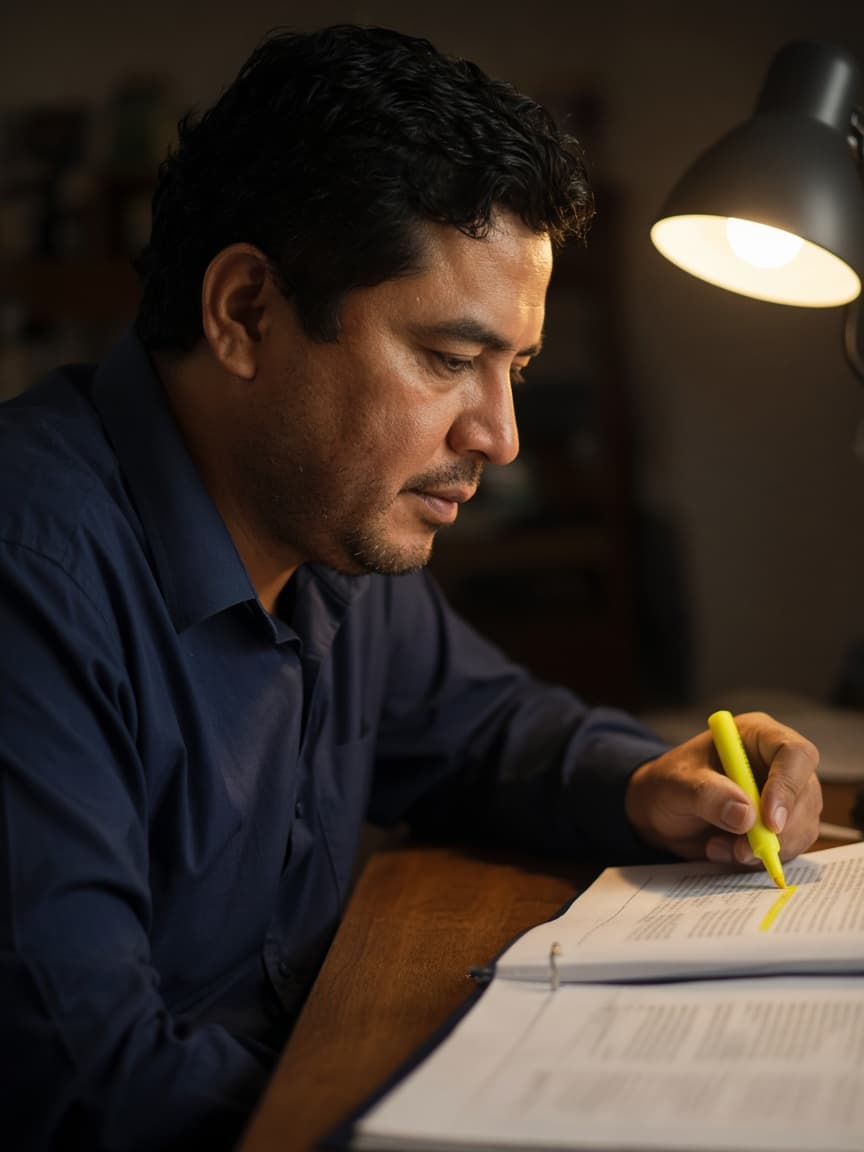
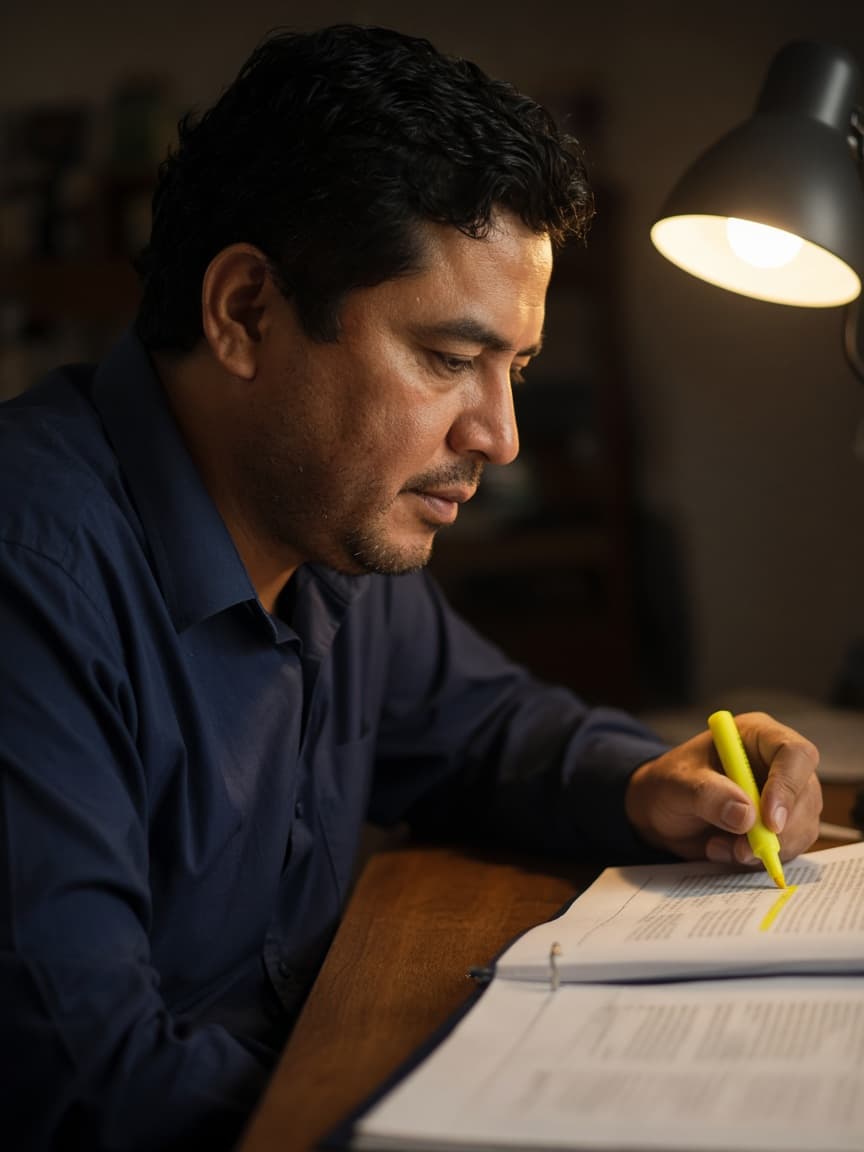
- Study the source material actively. Rereading and highlighting feel productive but do little for recall.
- Review every missed question by cause: knowledge gap, misread question, or wrong source.
Start With the Announcement, Not a Study Guide
Every promotional examination is built from a specific set of sources. For most police sergeant exams, that means some combination of department rules and regulations, written policies and procedures, the collective bargaining agreement, state criminal and motor vehicle law, constitutional law, and supervision or management texts. The exact list is in the examination announcement or the reading list that accompanies it.
Before you buy a book or download an app, get the official announcement and write down four things:
- The exact title and edition of every source on the reading list.
- The exam date, the application deadline, and any eligibility requirements.
- How the final score is calculated, including any education, experience, or seniority credit.
- Whether there is an oral board, assessment center, or other component after the written test.
If the reading list names an edition, study that edition. Policies, contracts, and statutes change, and the exam is keyed to the version on the list.
Take a Diagnostic Before You Read
Most candidates open the first book on the list and start at page one. That treats every topic as equally important and equally unfamiliar, which is rarely true. A patrol officer with ten years on the street may already know motor vehicle law cold and know very little about the contract's grievance procedure.
A short diagnostic across every category on your reading list shows you where you actually stand. Score it by category, not just overall. A 72 percent overall can hide a 90 in one area and a 45 in another, and the 45 is where the next month of study should go.
Build a Schedule Around Weight and Weakness
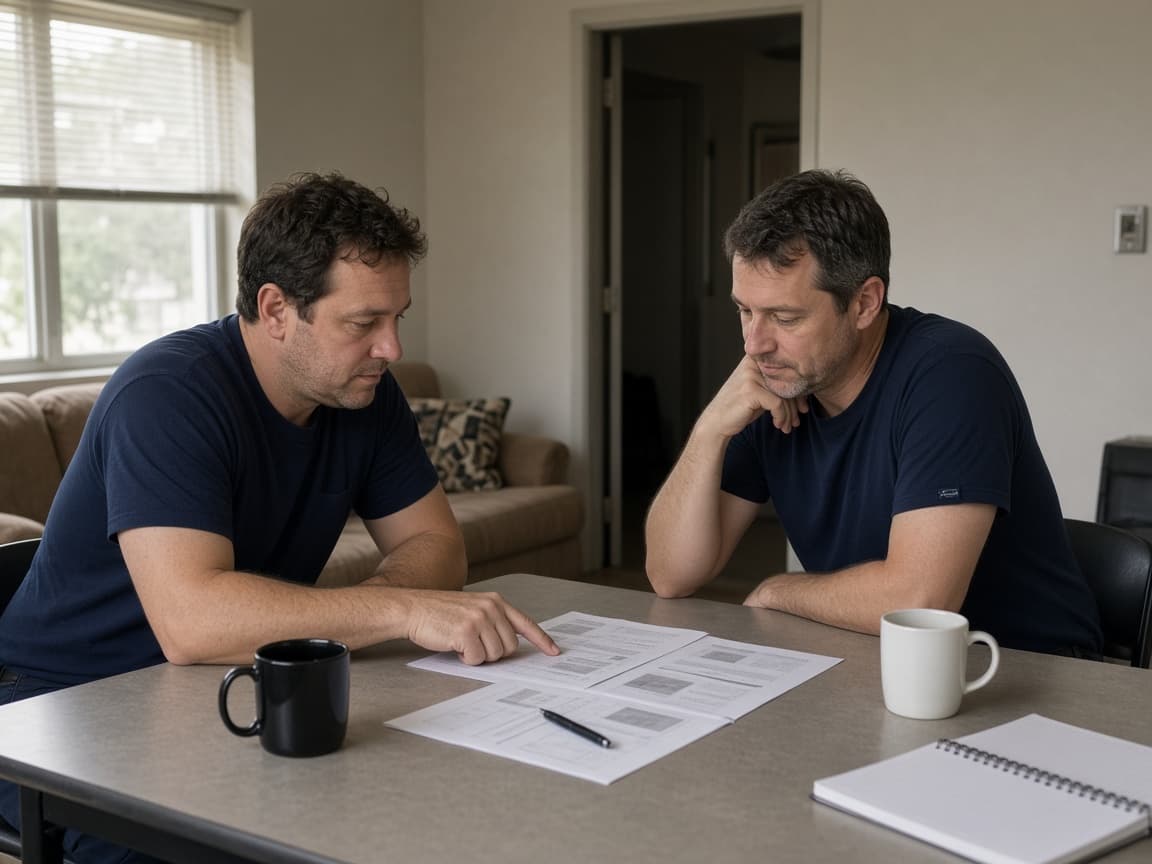
Most candidates have three to six months between the announcement and the exam, while working full shifts. A realistic plan uses short, frequent sessions instead of occasional marathon days.
- Count your weeks. Reserve the final two weeks for full practice exams and review only.
- Rank your categories. Order them by how much of the exam they cover and how weak your diagnostic score was. High weight and low score goes first.
- Set a weekly target. Five to eight hours a week, in 30 to 60 minute sessions, is sustainable for most working officers.
- Cycle back. Revisit each finished category for a short practice set every week or two so it does not fade before exam day.
Write the schedule down and plan around your shift rotation. A plan that ignores overtime, court, and family commitments will not survive the first month.
Study the Source Material Actively
Rereading and highlighting feel productive, but they mostly build familiarity, not recall. On exam day you need to retrieve a rule and apply it to a set of facts. Practice that directly:
- Read a section, then close the book and write down the rule, its exceptions, and any time limits or numbers in your own words.
- Turn sections into questions. After each policy or statute, write two or three questions a test writer could ask about it.
- Answer practice questions every session. Short topic sets right after reading show you immediately whether it stuck.
- Pay attention to qualifiers. Exam questions turn on words like shall, may, within, immediately, and unless.
Practice Under Exam Conditions
Knowing the material and performing on a timed, multiple-choice exam are different skills. Once you have covered most categories, take full-length practice exams at the same time of day as your real exam, with a timer, no notes, and no phone.
Track your pace. If you are spending far more time on some question types, such as long policy scenarios, practice those specifically. Decide in advance how you will handle a question you cannot answer: mark it, make your best choice, and move on.
Review Every Miss by Cause
The review after a practice exam is where most of the improvement happens. For every question you missed or guessed on, decide why:
- Knowledge gap: you did not know the rule. Go back to the source and restudy that section.
- Misread: you knew the rule but missed a word in the question. Slow down on qualifiers.
- Wrong source: you answered from department practice or another state's law instead of the document on the reading list. The exam is keyed to the list.
Keep a running list of missed rules and review it a few times a week. In the last month, this list becomes your most valuable study document.
The Final Two Weeks
Stop learning new material. Spend the last two weeks on full practice exams, your missed-rules list, and short refreshers on your weakest categories. Confirm your test location, start time, and what to bring.
The night before, get a full night of sleep instead of cramming. A rested candidate reads questions more carefully, and careful reading is worth more points than one more hour of review.
Common Mistakes to Avoid
- Studying from an outdated edition of a policy manual, contract, or statute book.
- Spending most of your time on the topics you already enjoy and know well.
- Relying on how your department does things in practice instead of what the written source says.
- Taking practice exams without reviewing the results.
- Starting too late. Three months of steady study beats three weeks of panic.
Frequently Asked Questions
How long should I study for the police sergeant exam?
What is on the police sergeant exam?
Are practice tests worth it for a promotional exam?
Should I study department practice or the written policy?
Updated October 18, 2026. This guide is general study advice, not legal advice or an official outline. Confirm sources, dates, and scoring with your examination announcement. See the Disclaimer.